
Before we domesticated our favorite feline friends, they learned to hide their pain, discomfort, and weakness to avoid falling prey to other predators. Domestic cats still exhibit this behavior, making it incredibly difficult to assess their well-being and help them before their afflictions worsen or cause permanent damage.
At Wapiti Labs, it’s our mission to provide pet owners with helpful information and quality wellness products to support the health and happiness of their animals. Today, we’re going to teach you how to assess your cat’s current state of health by looking into their eyes.
If you suspect your cat might be experiencing discomfort or symptoms of illness in her eyes, you can do a preliminary examination at home. First and foremost, you need to find a suitable location for your cat’s eye exam. Find a room with bright lighting where your cat is relatively comfortable your bathroom should work perfectly fine.
Depending on how receptive your cat is to being picked up and carried, you may need to tempt her into the room with a toy or a few treats. You might want to wrap a younger cat in a warm blanket before you begin to keep her calm, warm, and relatively still.
Also, bear in mind that your cat might not enjoy the process of being held or having her eyes touched. Cats that are trapped in small spaces will often bite or scratch if they become distressed or feel threatened. If you have an older cat, or you don’t want to cause excessive stress to your cat, you can give your feline an escape route by leaving the door open.
Take a look at how an experienced veterinarian gives a cat an eye examination. You’ll want to follow the same basic approach when checking your cat. If your cat is unwilling to let you touch his face and the area around his eyes for extended periods, then call your veterinarian to arrange an eye exam if you feel like something is wrong.
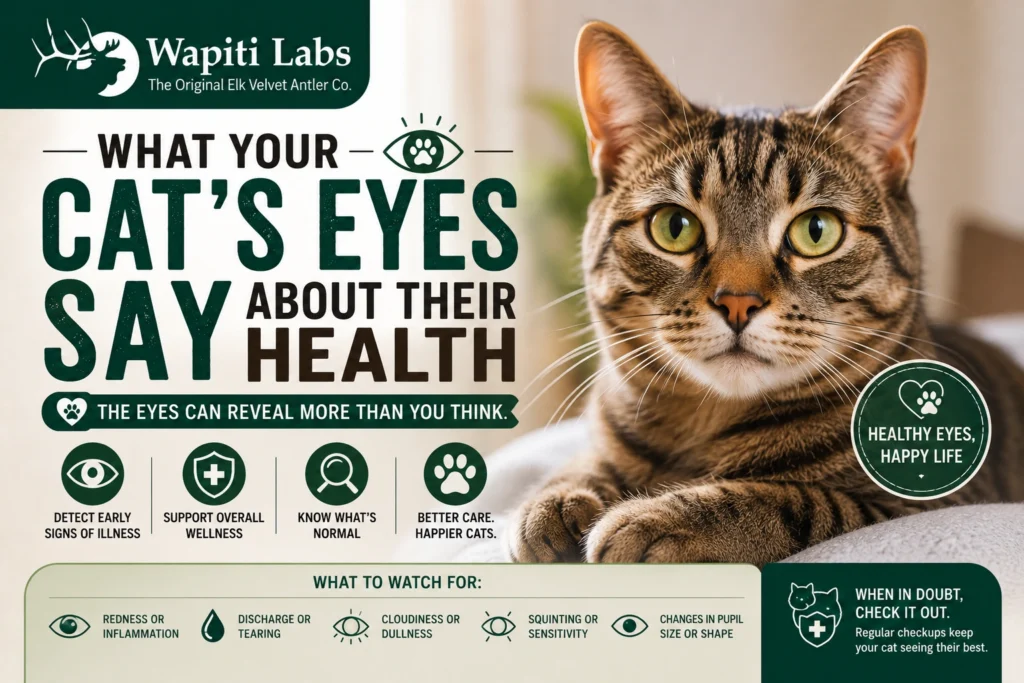
Healthy feline eyes are generally clear and bright. Your cat’s pupils should also be equal in size and shape, and the area around his or her eyeballs should appear healthy. Cats with pupils that are not the same size may be experiencing anisocoria, which is a symptom rather than a disease. If anisocoria occurs suddenly, it should be considered an urgent situation, and you should call your vet right away.
Gently roll your cat’s eyelid down with your thumb to check the lining of the lid. It should generally be a healthy shade of pink, not white or intensely red.
After that, turn down the lights to examine the size of his pupils. Pupil dilation can occur normally in response to changes in lighting, but persistent or unusual changes can sometimes indicate an underlying issue.
What Do Wide Eyes in Cats Mean?
Cats will naturally have wide, dilated pupils in certain lighting conditions, but other situations, such as excitement or anxiety, can also result in temporarily wide, round pupils.
If your cat is anxious about storms or loud noises, you may notice large pupils when those events occur, along with other signs of anxiety, such as jumpiness, hiding, or a stiff tail.
When your cat’s eyes narrow into a slit, it can indicate several things. A cat will narrow its pupils when prowling or “hunting” a favorite toy or your tapping toe on the couch so watch out!
Cats may also have narrowed pupils when showing aggression. Other displays of anger, such as squinting, hissing, or an arched back, may occur at the same time.
On the flip side, your cat may also have narrow pupils when relaxed or happy. If your happy cat is playing with a toy or sprawled out on your lap purring, you should be able to read these behavioral signs along with their eye appearance.
Eyes that appear sunken in could indicate that your cat is suffering from dehydration, while severely bulging eyes could potentially indicate an underlying medical problem requiring veterinary attention.
Furthermore, a sudden change in the color of your cat’s iris could signify a medical abnormality, such as inflammation or an eye condition.
Last but not least, if your cat is continually pawing at her eyes, blinking much more often than usual, or has a significant amount of eye discharge, then she may be suffering from an eye infection or another eye-related condition.
If you notice persistent or sudden changes, contact your veterinarian rather than trying to diagnose the problem yourself.
Many cats will experience a small amount of discharge from the eye, often first thing in the morning. It should generally be clear and not appear discolored or pus-like.
Some breeds with flatter faces and wide eyes may experience more regular eye discharge. The important thing to remember is that sudden changes in your cat’s amount or type of eye discharge may indicate an issue.
You might wonder why your cat suddenly has a lot of eye discharge out of nowhere. Certain types of discharge and any significant changes are cause for a consultation with your vet. If your cat is experiencing anything other than mild, watery or clear discharge, or if you’ve noticed a sudden increase, it’s time to contact your veterinarian.
Remember, you don’t need to have a perfect understanding of which medical problems these abnormal eye conditions might signify. Your goal is to identify causes for concern and report them to your veterinarian.
First things first: never use human eye drops on your cat unless your veterinarian specifically tells you to do so.
You may be tempted to try some home remedies you’ve heard about, but it’s in your furry friend’s best interest to have the vet make a diagnosis and recommend an appropriate treatment instead.
Some internet articles recommend using substances such as apple cider vinegar or colloidal silver to flush the eyes. These products can irritate or injure the eyes and should not be used without veterinary guidance.
If you think something may be wrong with your cat’s eyes, always contact your veterinarian instead of trying to fix the issue on your own. A trained veterinarian will be able to evaluate the health of your kitty’s eyes and determine whether the problem may stem from an underlying health issue.
You may be wondering how you can gently clean a cat’s eyes at home to provide comfort or remove minor discharge.
First, wash your hands. Hold your cat gently, considering a warm blanket if this helps keep your cat calm. Next, use a clean, soft cloth dampened with sterile or appropriately clean water.
Wipe gently around the eye without pressing on the eyeball. Use a fresh section of the cloth for each eye to avoid potentially transferring debris or microorganisms between the eyes.
If your cat has persistent discharge, redness, swelling, pain, squinting, or other unusual symptoms, stop home cleaning and contact your veterinarian. Depending on the cause, your vet may provide more specific cleaning instructions or recommend appropriate treatment.
You know your cat best, and we know you want to keep him or her healthy and happy. That’s why it’s essential to keep track of your feline’s normal behaviors and err on the side of caution when something seems off.
It’s not uncommon for cats to experience eye infections and other eye conditions, but you should still see the vet once you suspect a problem.
The following are just a few symptoms that may require veterinary attention:
Younger cats may be more susceptible to certain infections, while cats that interact with other animals may have additional exposure to infectious conditions.
Because it can be difficult for an owner to tell the difference between a minor irritation and a serious eye condition, it’s always safer to let your veterinarian evaluate unusual symptoms.
Keeping your cat healthy is one of the best ways to support a long and active life. A balanced diet, regular veterinary checkups, appropriate exercise, good hydration, and attention to changes in behavior all play an important role in feline wellness.
Pet owners interested in additional nutritional support can explore Wapiti’s range of supplements for cats. Wapiti Labs offers natural wellness products designed to complement a healthy lifestyle for cats at different life stages.
You can also explore the broader Wapiti product collection to learn more about available wellness products and ingredients.
For households with multiple types of pets, Wapiti also offers dedicated supplements for dogs, along with supplements for people and supplements for horses.
Keeping your cat healthy is the best way to ensure she lives a long, happy life. Pet supplements can be one part of a broader wellness routine, particularly when used alongside a balanced diet and regular veterinary care.
Wapiti Labs offers a range of natural wellness products for cats. To explore the options available for your feline companion, visit our supplements for cats.
If you’re interested in natural chew products for dogs, you can also explore Wapiti’s elk antler chews.
Always consult your veterinarian before introducing a new supplement, particularly if your cat has an existing health condition or takes medication.
Healthy cat eyes are generally clear, bright, and free from excessive discharge. The pupils should normally be similar in size, and the surrounding tissues should not appear significantly red, swollen, or irritated. Any sudden change in your cat’s eyes should be discussed with a veterinarian.
Different-sized pupils, known as anisocoria, can have several possible causes. If the difference appears suddenly, it can indicate an urgent eye or neurological problem. Contact your veterinarian promptly if you notice a sudden change in pupil size.
A small amount of clear discharge can occur normally, particularly after sleeping. However, thick, yellow, green, bloody, cloudy, or excessive discharge can indicate an eye problem. Sudden changes in the amount or appearance of discharge should be evaluated by a veterinarian.
Common signs can include redness, swelling, excessive discharge, squinting, frequent blinking, pawing or rubbing at the eye, and keeping the eye partially or completely closed. Because similar symptoms can occur with injuries and other eye conditions, veterinary evaluation is recommended.
You should contact your veterinarian if your cat develops sudden changes in pupil size, significant redness or swelling, persistent squinting, cloudiness, unusual discharge, an apparent injury, bulging or sunken eyes, or any noticeable change in vision or behavior. Eye problems can worsen quickly, so prompt evaluation is important.


Phonetic spelling: wap-i-ti
Shawnee to describe large, white, rumped deer, elk